About Martius · Built by XPilot

Why We Built Martius

We built Martius for the people with real products to show, real customers to reach, and another version to make tomorrow.

Built by
XPilot Inc.The team behind X-Pilot
Origins
Shenzhen R&D · 2018
Backing
MiraclePlus F23 · 2023Investment in the core China enterprise
Global
U.S. incorporation · 2025

01 · The work behind the video

The hard part comes after the first impressive shot.

A commercial film has to represent the actual product, survive review, reach the right audience, and stay useful when the business changes.

Our work on X-Pilot brought us into video production and revision workflows. These are the points of friction Martius connects in one desktop workflow.

  1. Getting the real material

    A product demo can begin with finding a recording tool, rehearsing a workflow, recording it, trimming it and uploading it. Product photos, logos and the brief often live in separate places.

    The Martius workflowBring chosen local material into the project. For supported software, the Agent performs and captures the agreed workflow, then references that capture in the film.

  2. Keeping the product correct

    A compelling shot can still contain the wrong package, price, specification or software screen. A beautiful video that misrepresents the product creates more review work.

    The Martius workflowGive supplied product facts and real assets a separate review path from generated atmosphere, pacing and creative direction.

  3. Changing one thing

    A request to change a headline can ripple into the voiceover, captions and several scenes. Rebuilding the whole film can disturb the opening, music or shots already approved.

    The Martius workflowShow which text, narration and scenes the request affects. Update that scope, then compare it against the creative choices the team wanted to retain.

  4. Keeping up with the business

    An offer expires, a feature name changes, or a software interface is redesigned. The existing MP4 carries yesterday’s information, while its original sources may be hard to trace.

    The Martius workflowKeep the editable project and its source relationships useful after the first export, so the next business update can start from the approved work.

  5. Turning feedback into a version

    Comments in chat, screenshots and “final_v3” files make it difficult to tell which instruction belongs to which scene, or whether an exported version contains every approved change.

    The Martius workflowKeep feedback attached to a scene and a version. Make review and handoff visible parts of the same project.

  6. Putting the finished work to use

    The MP4 is only one part of delivery. Captions, covers, placement versions, destination settings and a course runtime can create another handoff after the creative has been approved.

    The Martius workflowConnect each approved project version to its delivery requirements and publication record. Distinguish sending an ad asset from activating a campaign, and a lesson video from an LMS course or learning record.

  7. Keeping business material local

    An unreleased product, customer footage or a private software interface can be useful source material without being ready to leave the team’s device. Uploading entire folders and videos adds both transfer time and a decision about who can hold them.

    The Martius workflowKeep original documents, source footage, editable projects and finished videos on the device, without uploading the original files to the cloud.

02 · Why desktop

Bring the Agent closer to the real work.

Your originals and working project stay on your device. You decide when a finished output is ready to leave.

A launch video may start with an unreleased product, customer footage or an internal software screen. Martius works with that material locally, without uploading the original files to the cloud.

The product may be running in another application; its footage and brand material may be in local folders; next week’s campaign may begin with an existing project. Desktop connects that working context: selected sources, supported software capture, editable scenes, approved publishing and the next revision.

  1. 01

    Your material stays here.

    Martius keeps original documents, source footage, editable projects and finished videos on your device by default. Original materials and projects remain local; only selected delivery copies and required metadata leave after your explicit publishing approval.

  2. 02

    A product can be shown in action.

    For software, the Agent operates an agreed, supported workflow and captures the actual result. A real application screen then becomes source material for the video.

  3. 03

    The next version is part of the job.

    The original source, the scene it appears in and the approved project need to stay connected. The desktop workflow makes returning to that work practical when the business changes.

For a software launch

Show the new feature doing its job.

A supported workflow shows how the new feature works in the actual application, capture that interaction, and use the clip in a launch video. If the interface changes later, the next revision identifies where that screen was used.

Explore desktop product capture

For a product campaign

Use the real product. Explore the presentation.

Bring the pack shots, product footage, brand kit and confirmed offer into a project. Explore the atmosphere and storytelling around that material. When the offer changes, review the affected words, narration and scenes alongside the work already approved.

Explore connected video updates

03 · What stays in your hands

Creative freedom. Business clarity.

Your source material, product facts and approved work should stay under your team’s control. These principles connect the desktop workflow from the first brief to the next published version.

Local business material

The original files stay with you.

Original documents, source footage and editable projects belong on your device. Finished outputs remain local by default; only selected delivery copies and required metadata leave after an explicit publishing approval.

Local desktop projects
Product control

Know which parts are facts.

Prices, names, specifications and actual product screens need their own place to be confirmed and edited. Creative choices can change the feeling of the film while those details remain available for review.

Product details and creative direction
Connected updates

Build on the work you approved.

The next campaign starts with the existing project. A request such as “change the price and the second benefit” reveals its scope and makes the retained creative work easy to compare.

Affected content and the next version
Real product material

Bring the business into the story.

Software can be represented by actual captures from supported workflows. Physical products use real footage, photos and supplied brand assets. The original material should remain identifiable inside the creative process.

Actual material and desktop capture

04 · Company record

Built across two markets.

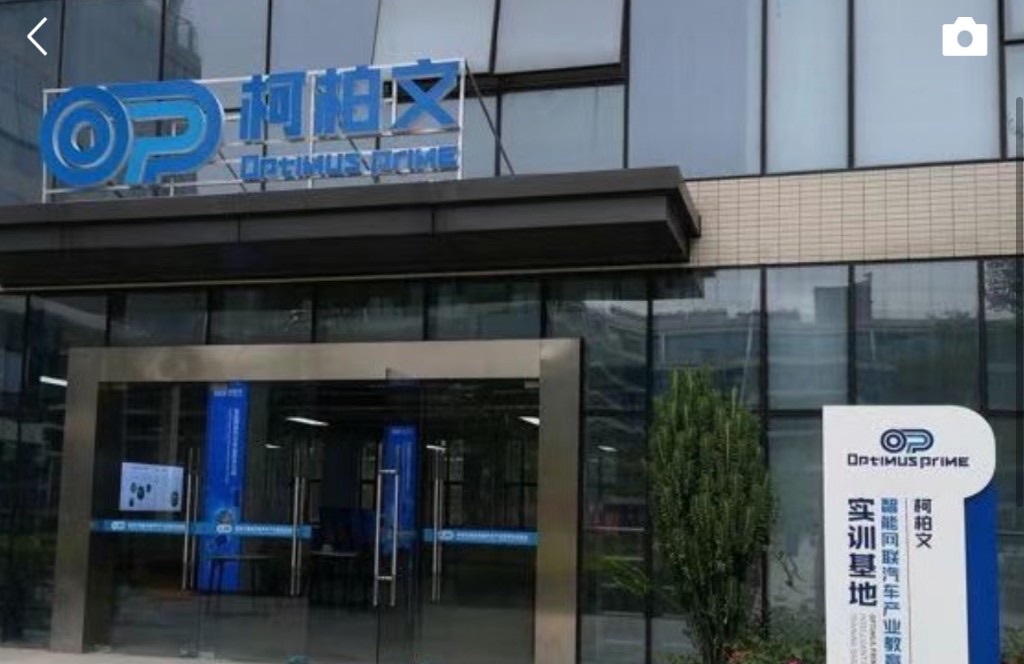
The company’s journey began in 2018 with the establishment of its R&D headquarters, Optimus Prime (Shenzhen) Technology Co., Ltd. The core team brings together cross-disciplinary expertise from institutions including Beijing University of Posts and Telecommunications, the University of Science and Technology of China, and the University of Hong Kong.

On October 20, 2023, the core China enterprise secured seed-stage investment from MiraclePlus, founded by Dr. Qi Lu and formerly known as YC China. XPilot Inc. was incorporated in the United States in 2025 as the global legal entity.

X-Pilot continues its focus on education and skills training. Martius takes the team’s experience in video production into a separate commercial direction for merchants, brands, and marketing, product and sales teams.

Read the original X-Pilot company profile
  1. R&D foundation in Shenzhen

    Optimus Prime (Shenzhen) Technology Co., Ltd. was established as the research and development headquarters.

  2. MiraclePlus F23

    The core China enterprise received seed-stage investment on October 20 and joined the MiraclePlus F23 accelerator cohort.

  3. A global legal entity

    XPilot Inc. was incorporated in the United States to support global operations.

X-Pilot · Mission

Redefining how knowledge is created and consumed through AI, making teaching, learning, and training easier.

X-Pilot’s vision is to define and lead the infrastructure for education and skills training in the age of AI.

Martius · The purpose

Make the product persuasive. Keep the business in control.

Martius connects commercial video creation where real source material, product accuracy, creative direction and the next revision belong to a connected workflow.

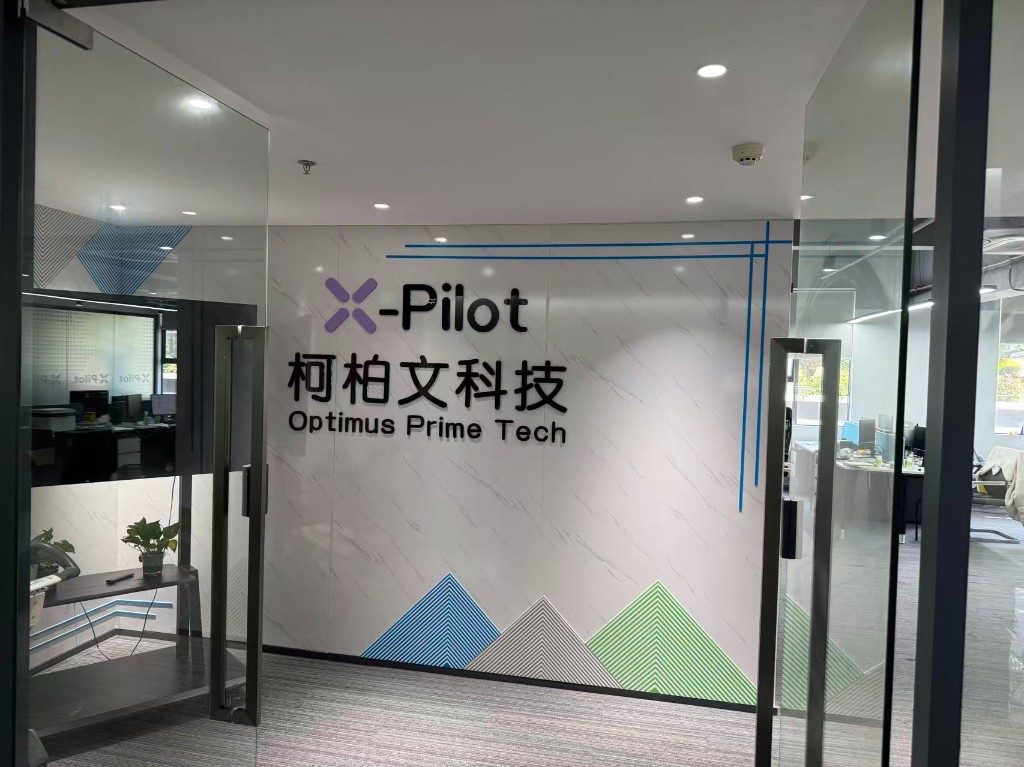
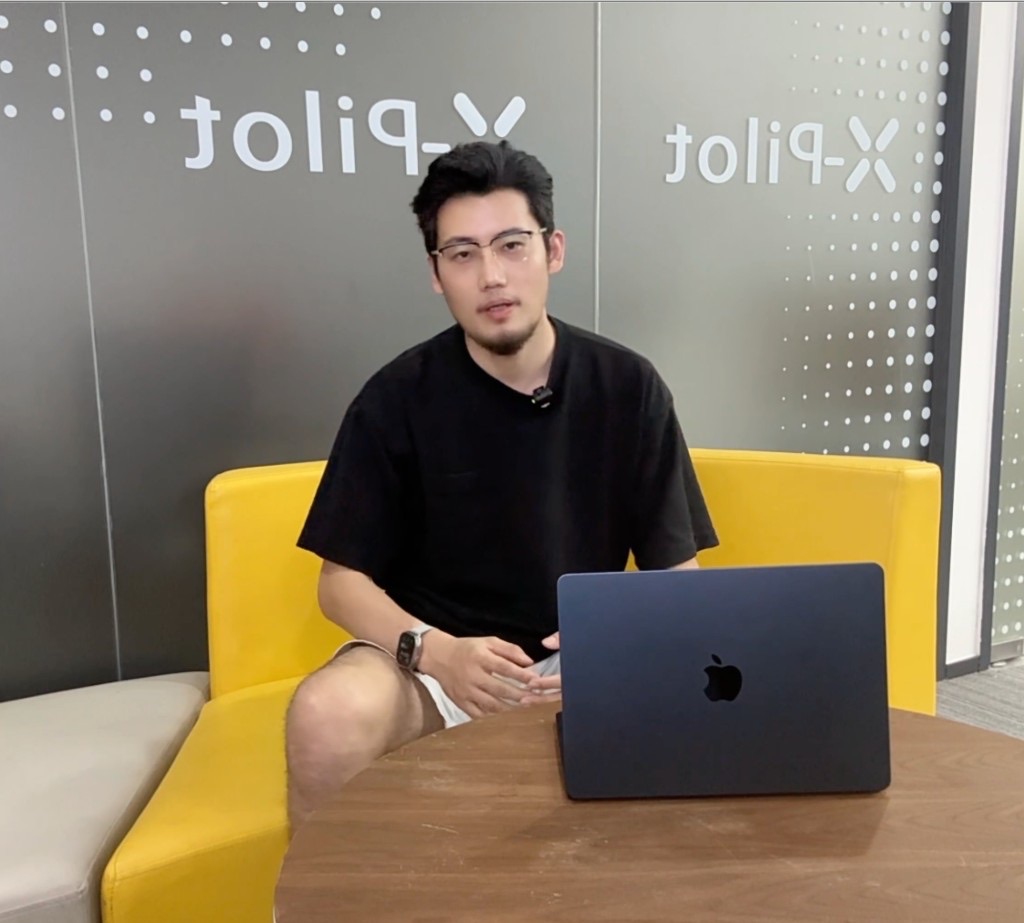
Heshan Bian, founder and CEO of XPilot, at the company’s Shenzhen office
Heshan BianFounder portrait · XPilot, Shenzhen

05 · Founder

Heshan Bian

Founder & CEO · XPilot Inc.

Heshan Bian holds master’s degrees from Beijing University of Posts and Telecommunications and the University of Hong Kong.

Before founding the company, he served as a Senior Engineer in Baidu’s Autonomous Driving Division and as a Technical Evangelist for the Baidu Apollo autonomous driving platform. His experience across applied AI, engineering and technical education informs the team’s approach to practical, reviewable tools.

Education · 01
M.Eng., Beijing University of Posts and Telecommunications
Education · 02
Master’s degree, The University of Hong Kong
Experience
Former Senior Engineer, Baidu Autonomous Driving Division
Public practice
Former Technical Evangelist, Baidu Apollo
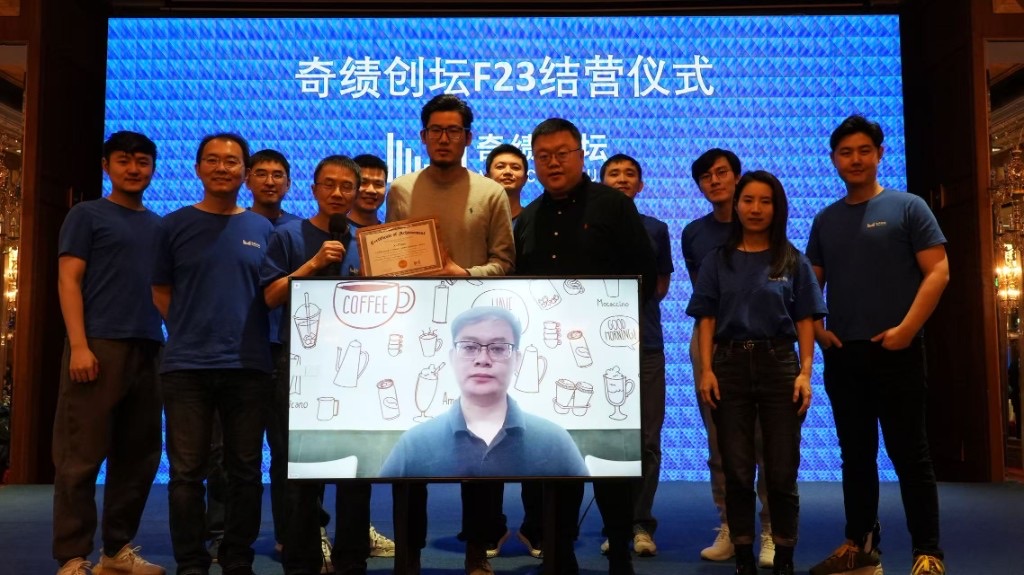
Heshan Bian with Dr. Qi Lu and members of MiraclePlus at the F23 closing ceremony
MiraclePlus F23 closing ceremonyFounder Heshan Bian with Dr. Qi Lu · 2023

06 · Backing

MiraclePlus F23

XPilot’s core China enterprise joined the MiraclePlus F23 cohort and received seed-stage investment on October 20, 2023. MiraclePlus was founded by Dr. Qi Lu and was formerly known as YC China.

Visit MiraclePlus

XPilot · Company experience

Work across education, industry and technical training.

Selected organizations served by XPilot, as documented in its company profile. This company history is separate from Martius customer results.

  • Center for Vocational Education DevelopmentMinistry of Education, P.R. China
  • BYDMobility & manufacturing
  • BOSCH
    Technology & engineering
  • TÜV RheinlandTesting, inspection & certification

08 · Global presence & contact

Two operating anchors. One team to contact.

XPilot operates through its United States global legal entity and its research and development headquarters in Shenzhen, China.

Tell us about the product, audience and video you need—and where the current workflow gets difficult. Contact the team behind Martius and X-Pilot at support@x-pilot.ai.

Global legal entity

United States

XPilot Inc.
125 Broadkill Rd Ste 122
Milton, DE 19968, USA

R&D headquarters

Shenzhen, China

Optimus Prime (Shenzhen) Technology Co., Ltd.
Room 205, Building 22, Zhiheng Industry Park
Nanshan, Shenzhen, Guangdong, China

Company identity and history are adapted from the X-Pilot company profile, last reviewed there on . This Martius page was updated on .

09 · Direct answers

The company and the product.

Who is behind Martius?

Martius is built by the team behind X-Pilot. XPilot Inc. is the company’s global legal entity, incorporated in the United States in 2025. Its research and development headquarters is Optimus Prime (Shenzhen) Technology Co., Ltd., established in 2018. The founder and CEO of XPilot is Heshan Bian.

How are Martius and X-Pilot different?

X-Pilot continues to focus on education and skills training. Martius is a separate commercial video platform for merchants, brands, and marketing, sales and product teams. Martius includes educational and training video examples, but product advertising, launches and commercial explanations lead its positioning. X-Pilot’s customers and past results belong to X-Pilot.

Why build a desktop AI Video Agent?

Real business material often lives in local files and working software. Martius keeps original documents, source footage, editable projects and finished videos on the device by default. Original files and projects remain local; selected delivery copies are sent only after an explicit publishing approval. The desktop workflow also connects selected material, supported software capture and later revisions, so the next version can start from the approved project.

What does desktop add for software and physical products?

For supported software, the Agent performs an agreed workflow, captures the actual product screen and brings the recording into a video project. For physical products, the workflow uses your existing real photos, footage and brand material. The desktop Agent does not replace on-location product filming.

What connects the Martius video workflow?

Martius works from local business material and three connected creative jobs: review product facts separately from creative decisions; update affected content while retaining approved work; and bring actual product material into the project through selected assets or supported desktop capture. Originals and editable projects stay on your device. Finished videos remain local by default; a selected delivery copy leaves only after your publishing approval.

Does Martius upload my original documents or videos to the cloud?

The desktop workflow keeps original documents, source footage, editable projects and finished videos on your device by default. Publishing sends only the approved delivery copies and required metadata to the destination you choose.

Does Martius run entirely offline?

Martius is a desktop AI Video Agent with local source files and editable projects. Keeping files local is separate from running every model offline. Model requests, service metadata and approved publishing transfers have their own data boundaries; the privacy and workflow documentation explain those distinctions. Get the installer for your system from the download page or contact the team for installation support.

Who founded XPilot and what is the company’s background?

Heshan Bian is the founder and CEO of XPilot. He holds master’s degrees from Beijing University of Posts and Telecommunications and the University of Hong Kong. He previously served as a Senior Engineer in Baidu’s Autonomous Driving Division and as a Technical Evangelist for Baidu Apollo. The company’s R&D work began in Shenzhen in 2018; its core China enterprise received MiraclePlus F23 seed investment in 2023; XPilot Inc. was incorporated in the United States in 2025.

How can I contact the team?

Contact the team behind Martius and X-Pilot at support@x-pilot.ai. For a product conversation, describe the product, the audience, the video’s job and the point where your current workflow becomes difficult. Company addresses and the original X-Pilot company record are listed on this page.

Talk to the team

What does your next video need to do?

Contact XPilot