Martius features

Keep Your Source Material and Projects Local

Keep original documents, source footage and editable video projects on your device. Reconnect materials, continue revisions and approve only the delivery copies you choose to publish.

A concrete source and delivery example

Keep the source beside its output.

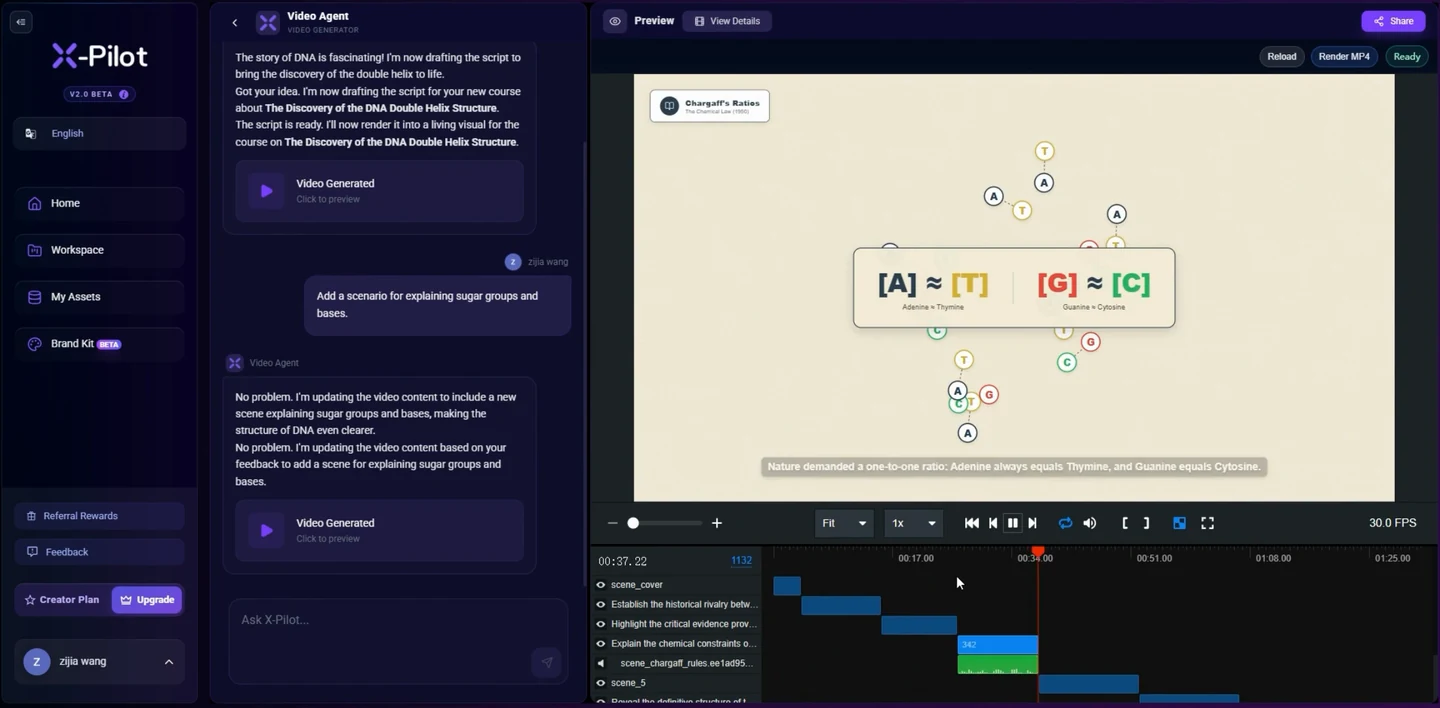
Inspect this website’s real software-footage bundle. Its source record identifies the original recording and the derived files, so the material stays traceable when it moves.

Inspectable website media bundle

Open the files that accompany the recording.

This real website bundle contains the source-recording rendition, its cover and a measured source record. It illustrates a media handoff; editable Martius backups and learning packages have their own formats.

The bundle is website media, rather than a Martius project-backup recording. The workflow below explains source dependencies, editable backups and restoration separately.

Begin with the material your business already owns

Martius works with local documents, product photos, footage, recordings, portraits, source audio and brand material. Original files and editable projects stay on your device; beginning a task does not move your source library into a cloud workspace.

Keep the project beside the actual business materials that support it. Select the sources needed for the task and retain their provenance, version and authorized use as the Agent creates the video.

Keep sources identifiable when files change

Source references preserve the identity, location, version and dependency of the material used in a project. A missing or replaced resource remains visible, and a moved file can be reconnected instead of silently becoming a different source.

Review a replacement before it enters an approved scene. If the product image, source procedure or recording changes, check the dependent facts, narration and review decisions rather than treating the old approval as current.

  • Original file and source provenance
  • Version, location and dependency
  • Missing or replaced material requiring attention
  • Authorization and scope for the selected use

Own the editable project after the first film

Keep the brief, scenes, approved references, presenter and voice choices, project revisions, exports and publication history in the local workflow. Reopen the project to update an offer or create another commercial task from the relevant approved material.

A finished video and an editable backup are different assets. A backup identifies the project structure, included materials, source references and external dependencies needed for restoration. Inspect that scope before moving the project to another device.

Choose the boundary of every delivery

Finished videos and course packages remain local by default. Local export writes the selected files to your device; publishing is a separate action for a named account and destination.

Approve the exact delivery copies and necessary metadata before sending. Publication does not include unrelated folders, original footage or the editable project. Learning events and destination analytics have their own selected data flow.

Local source files do not mean every AI operation is offline

Storage, generation and publication are separate questions. A workflow can keep the original file local while using model requests or derived data with an external service. Consult the workflow’s service and data scope before selecting that operation.

The local-project capability is not a claim of fully offline generation, private-model training, certification or a universal zero-network workflow. It gives your source materials, editable project and finished files a clear home and makes remote delivery an explicit choice.

Questions, answered

A few things to know.

Will my original material and videos be uploaded to the cloud?

Original documents, photos, source footage, recordings, portraits, source audio and editable projects stay on your device. Finished outputs remain local by default. An explicit publishing approval sends only selected delivery copies and required metadata to the destination you choose. Local project storage does not imply fully offline AI: model requests, derived service data and learning or destination records have their own documented scope.

Which files remain on my device?

Original documents, photos, footage, recordings, portraits, source audio, brand materials and editable projects remain local. Finished videos and course packages also remain local until you approve a selected delivery copy for a destination.

What happens if I move a source file?

The project keeps its source reference and makes the missing dependency visible. Reconnect the moved file and inspect replacements or changed versions before continuing work that depends on that material.

Can I back up and continue editing the project?

Yes. Keep an editable project backup with the structure, versions and included materials or source references defined by its backup scope. Check external dependencies and restore requirements; an exported MP4 alone is not an editable project.

Does keeping sources local mean Martius runs fully offline?

No. Original-file storage is separate from model execution. Selected operations can use external model services and derived requests; their data scope is documented separately from local source files and approved publishing copies.

Does publishing upload the whole project?

No. Approve the exact delivery files and required metadata for a named destination. The original source library and editable project stay local; unrelated materials are outside that action.

Meet Martius

Your next product video starts here.

Bring one product, one message, and the assets you already have.