Scientific video examples for astronomy, atmosphere and research communication, using credited scientific imagery and explicitly scoped visual explanation.
2 complete films · Researchers, science communicators, educators and teams preparing research explainers.
2 films
Videos play silently when visible. Tap the film or press Space while it is focused to pause or resume. Sound starts only when you enable it.
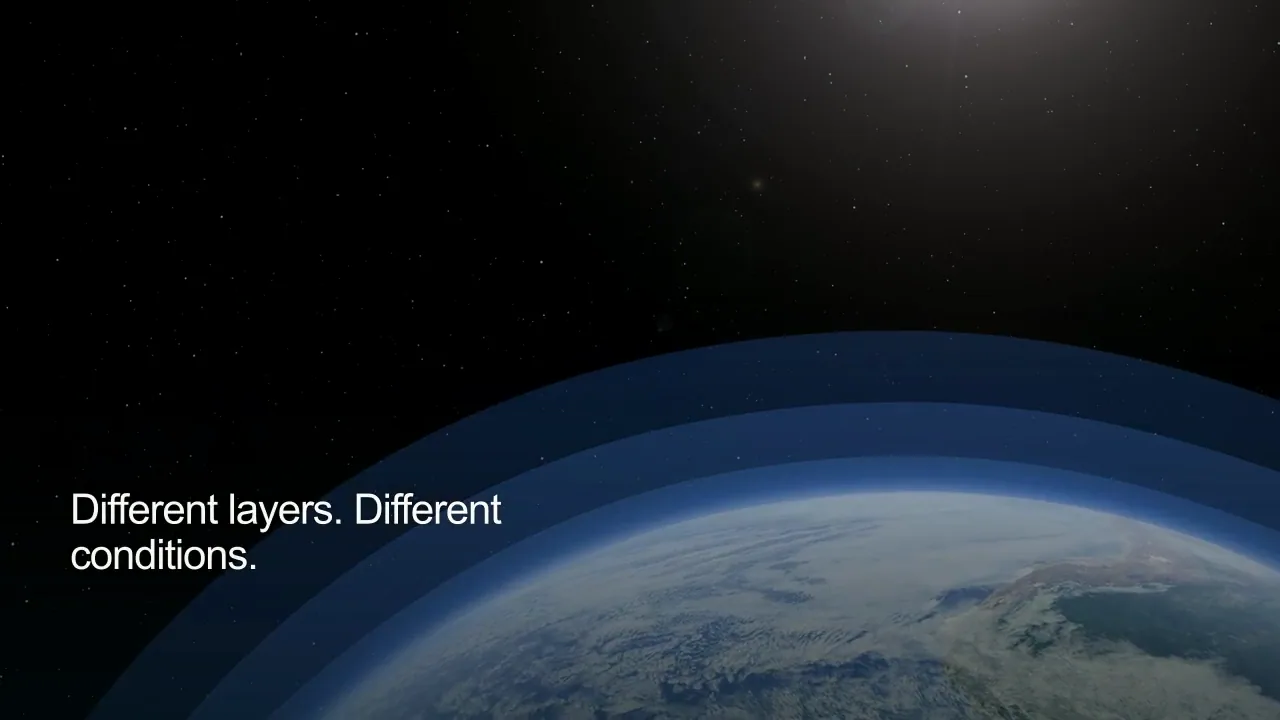
An atmospheric science education film using NASA’s dimensional Earth animation to reveal its layered gaseous surroundings.
Martius studio · Authored showcase
Earth and atmospheric science
Choose the relationship the audience needs to see
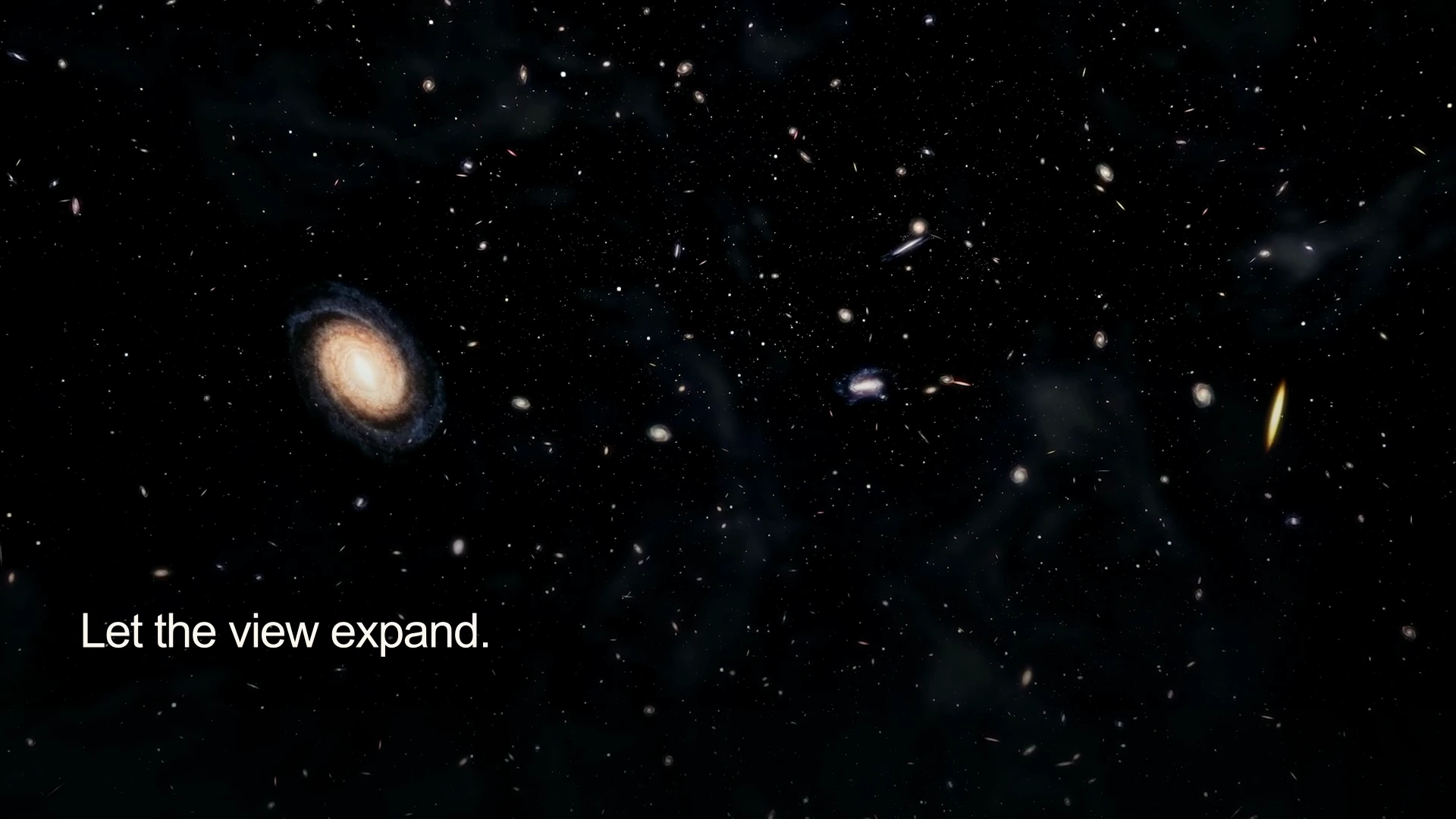
Research communication becomes more engaging when the viewer can follow a change of scale or perspective. A fly-through, layered view or moving model can create that moment of understanding. Explain the convention that makes it possible: what is represented, which scale has changed and what has been omitted.
The collection uses scientific imagery and authored explanation as production material. Its purpose is to show how a short film can communicate a concept, not to publish a new research result. Source pages identify the original contributors and whether the imagery is observation, simulation or schematic.
What to bring to the brief
One clearly stated research or learning question
Primary scientific references and the date or model context
Image and animation credits with their usage conditions
Labels identifying measured data, simulation and visual analogy
What needs review
State when a camera view is a model or simulation
Keep scale, colour and timing conventions understandable
Avoid presenting an illustration as new evidence
Retain the original scientific and production credits
These are authored studio examples. Each watch page identifies its production method, sources and illustrative scope; the collection does not claim customer relationships or measured business outcomes.
Questions, answered
A few things to know.
How should a research video label a scientific animation?
Identify whether it is a simulation, data visualisation or conceptual model. State the important scope and scale conventions in the accompanying explanation. A realistic appearance does not turn a model into direct observation.
Does public scientific imagery always allow unrestricted reuse?
No. Check the individual source, contributor credit and usage conditions. Third-party content can have different rights even on an official research website. The production records identify the selected material and its source.
What makes a short science film useful for teaching?
A focused objective, a visible relationship and a clear explanation of the visual model help viewers connect the imagery to the concept. Review the scientific wording before treating the film as lesson material.
 Videos play silently when visible. Tap the film or press Space while it is focused to pause or resume. Sound starts only when you enable it.