Medical imaging, laboratory, microscopy and life-science video examples for education and training. Inspect scientific references and clearly labelled visual models.
11 complete films · Medical educators, research communicators, laboratory teams and medical-device content reviewers.
11 films
Videos play silently when visible. Tap the film or press Space while it is focused to pause or resume. Sound starts only when you enable it.
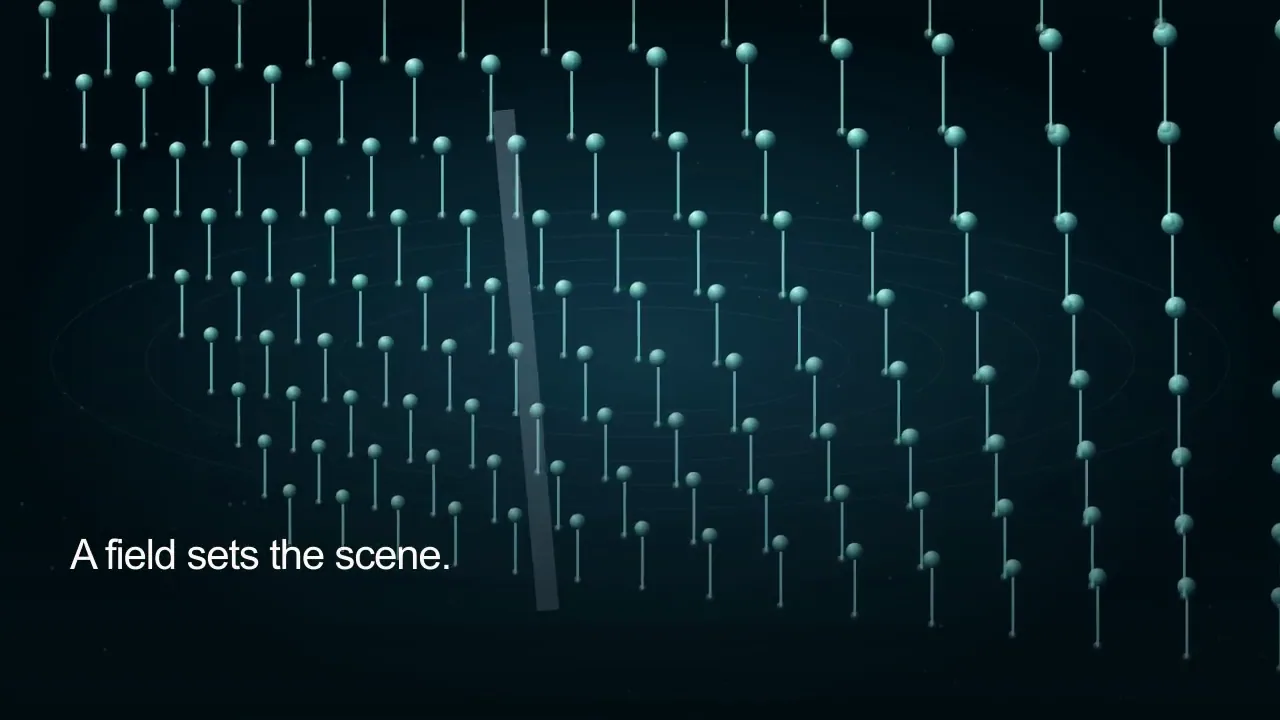
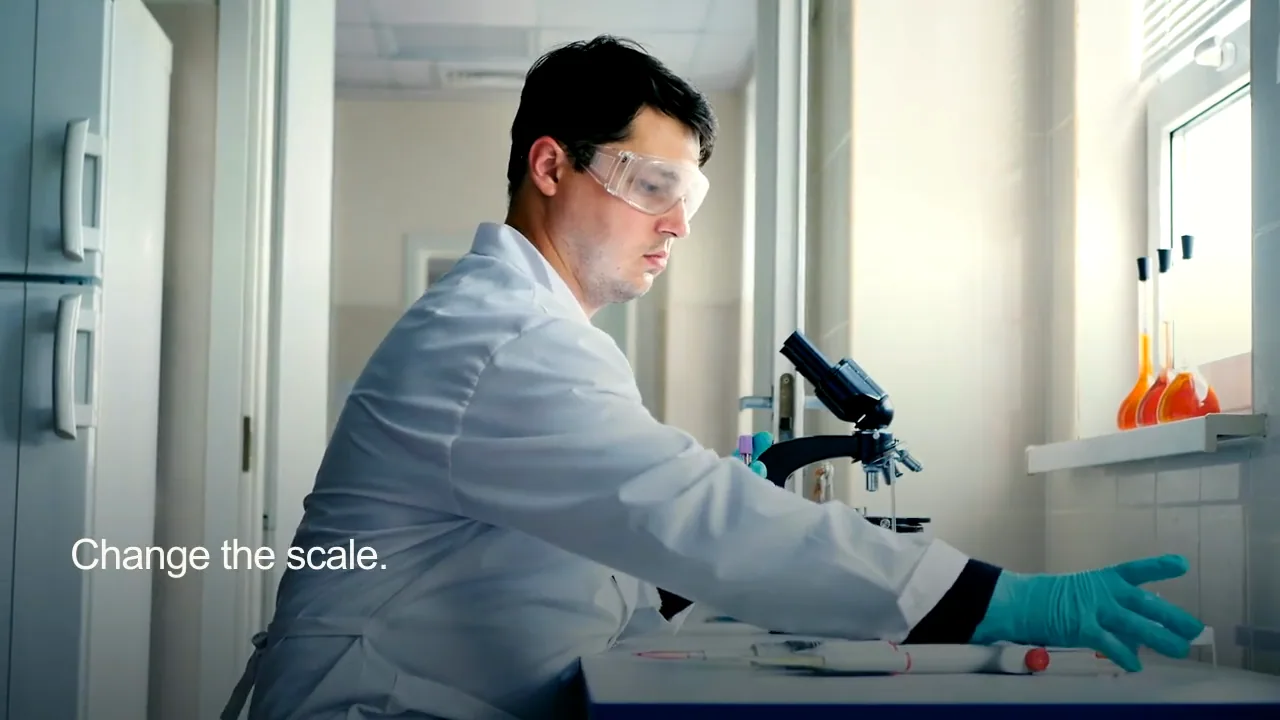
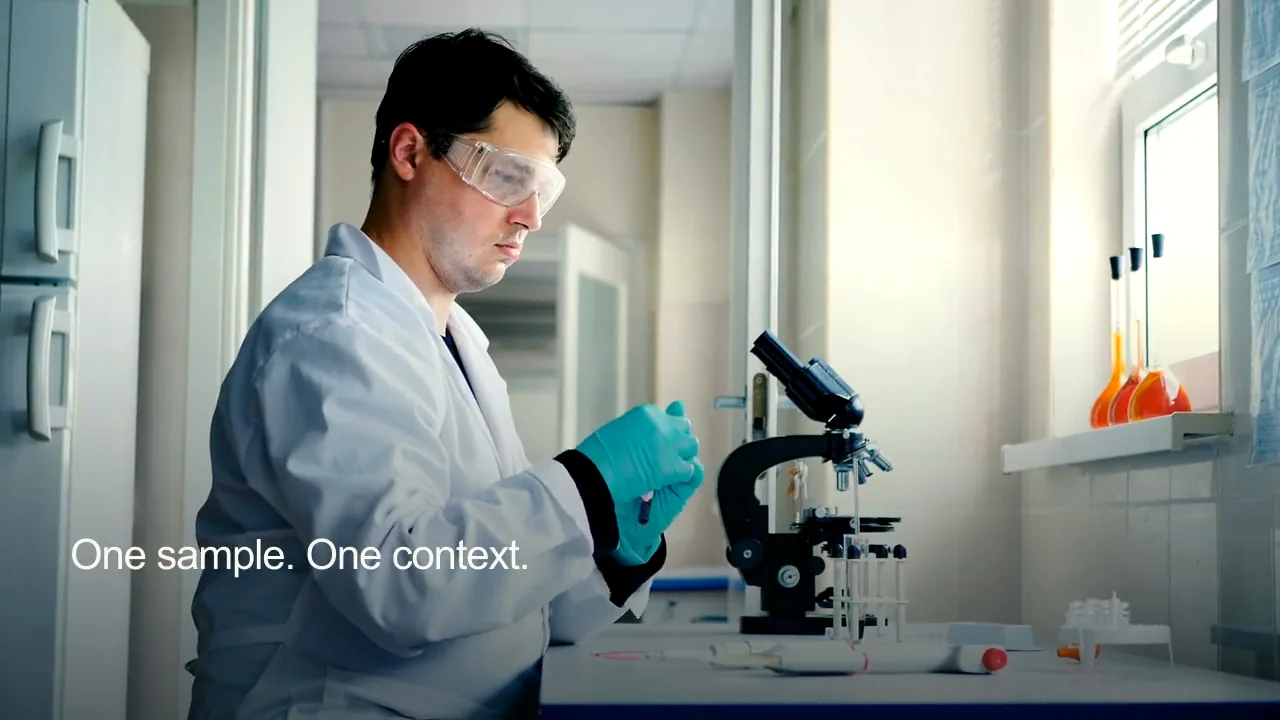
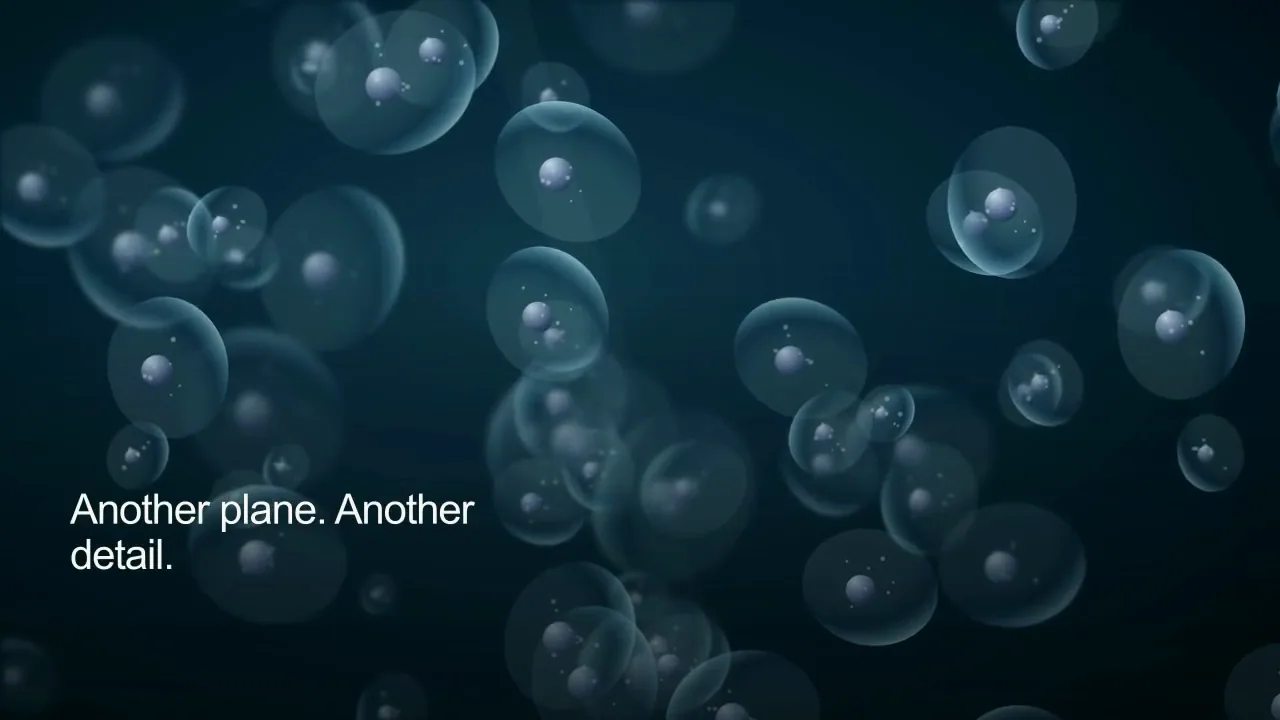
A microscopy laboratory training opener moving from real specimen preparation into an original blue depth field whose sharp and soft structures change through focus-inspired motion.
Martius studio · Authored showcase
Microscopy focus and sample context
Videos play silently when visible. Tap the film or press Space while it is focused to pause or resume. Sound starts only when you enable it.
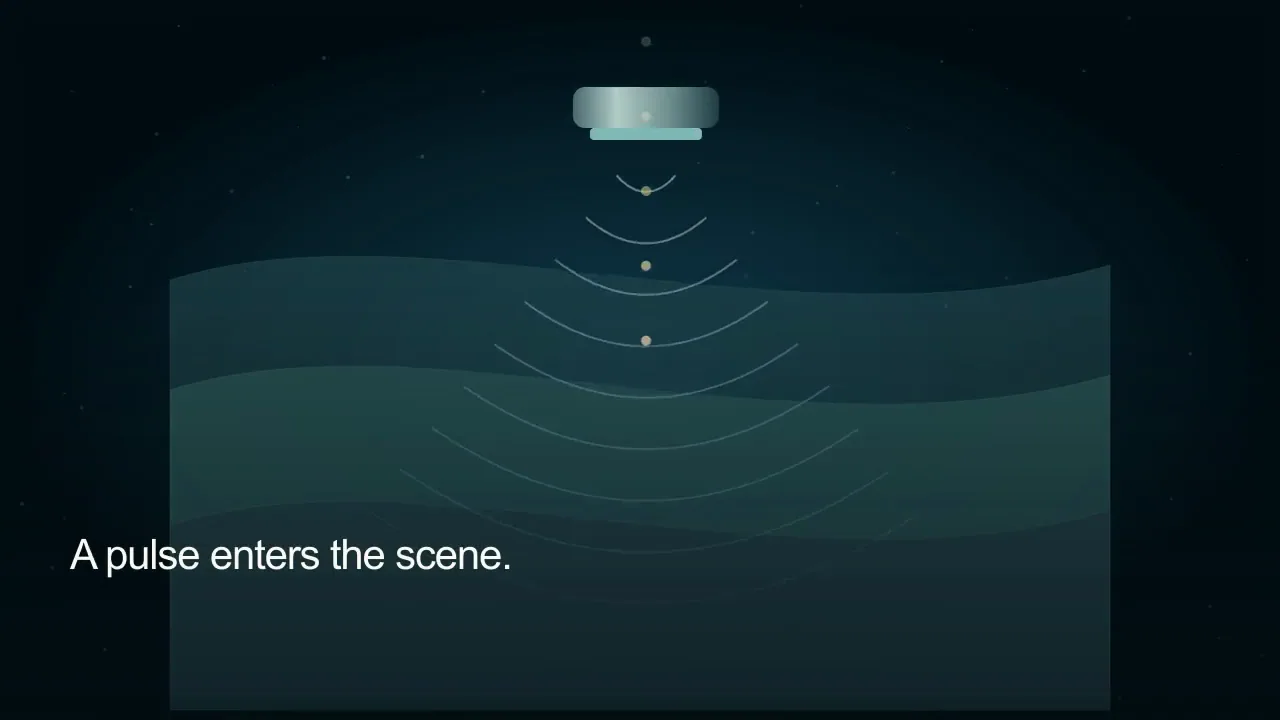
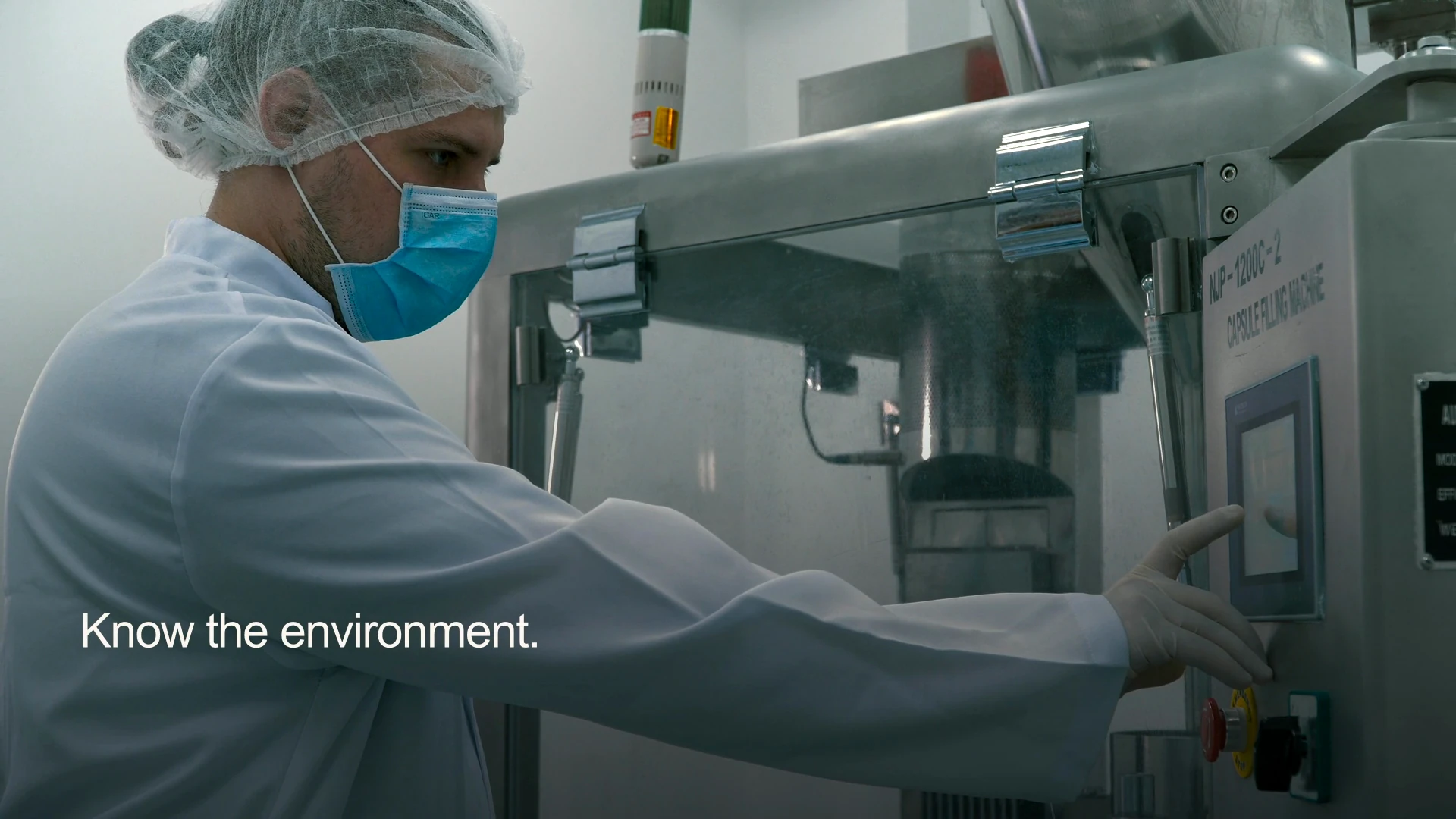
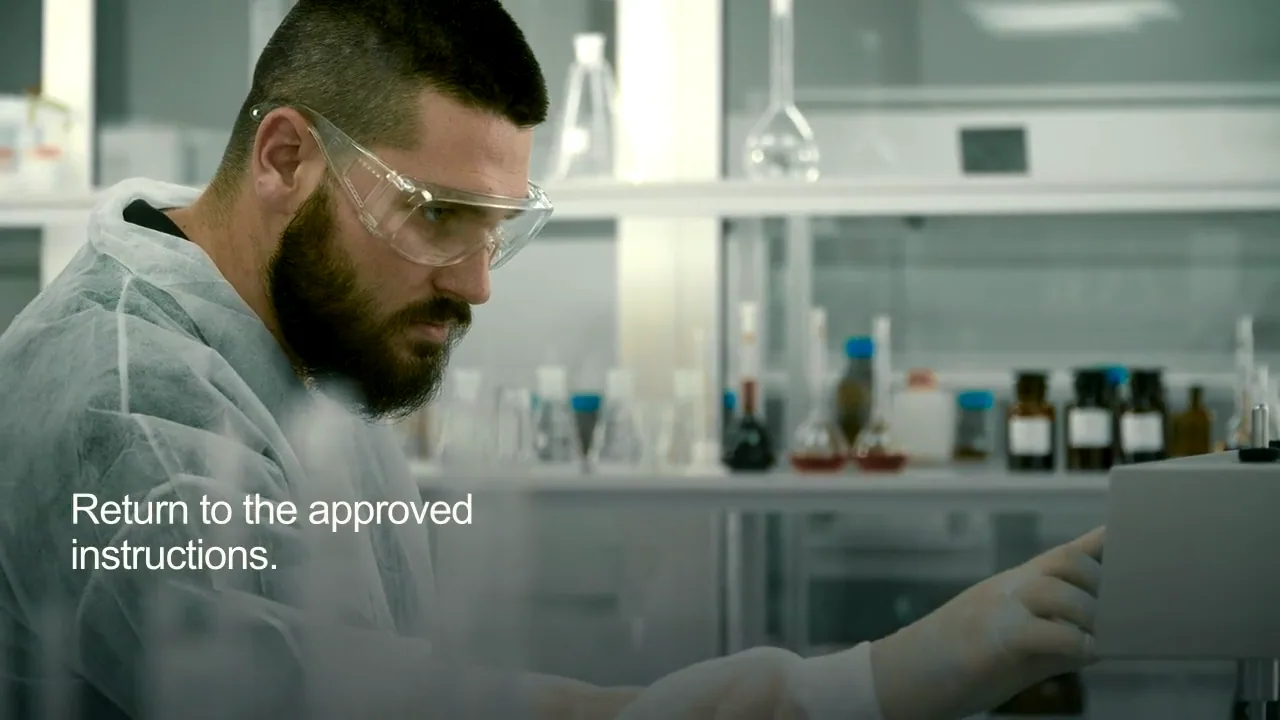
A medical-device team training orientation combining schematic imaging motion and a physical laboratory setting.
Martius studio · Authored showcase
Medical device team orientation
Choose the relationship the audience needs to see
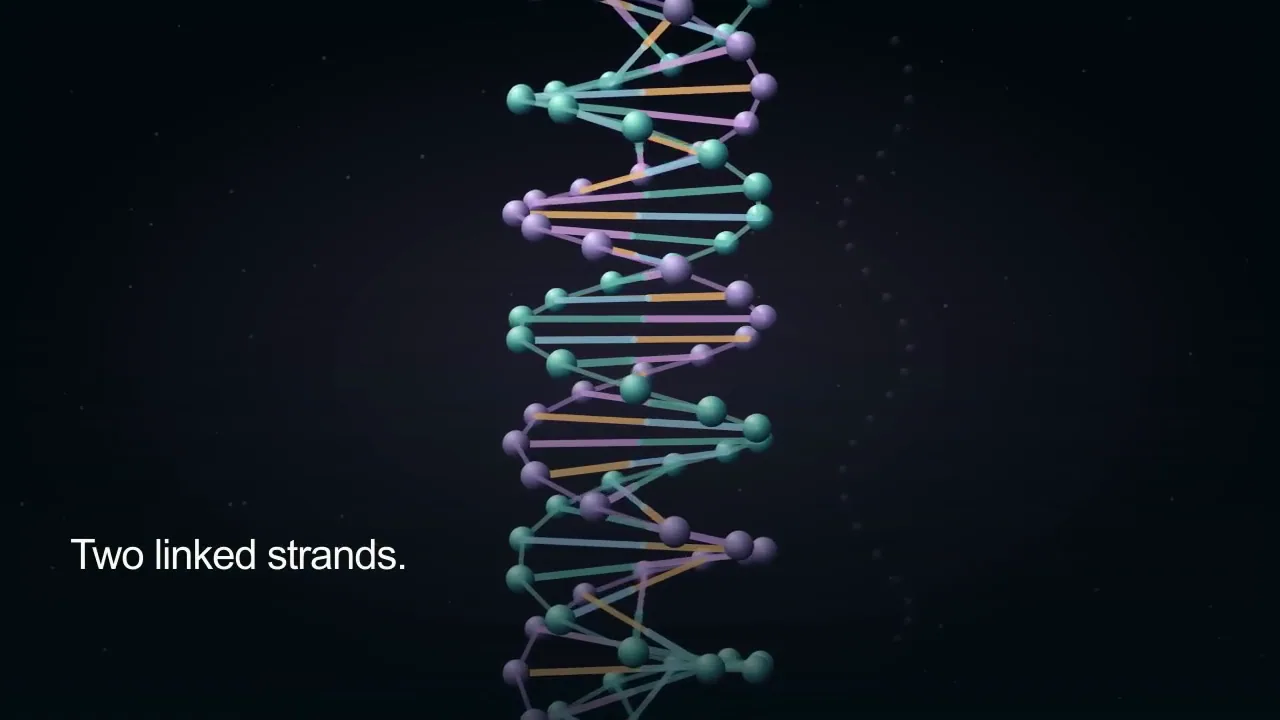
A medical or life-science film should make a concept easier to understand while keeping its limits visible. Real laboratory footage can establish a setting; a spatial model can reveal a relationship that a camera cannot directly capture. The film needs to say which kind of image the viewer is seeing.
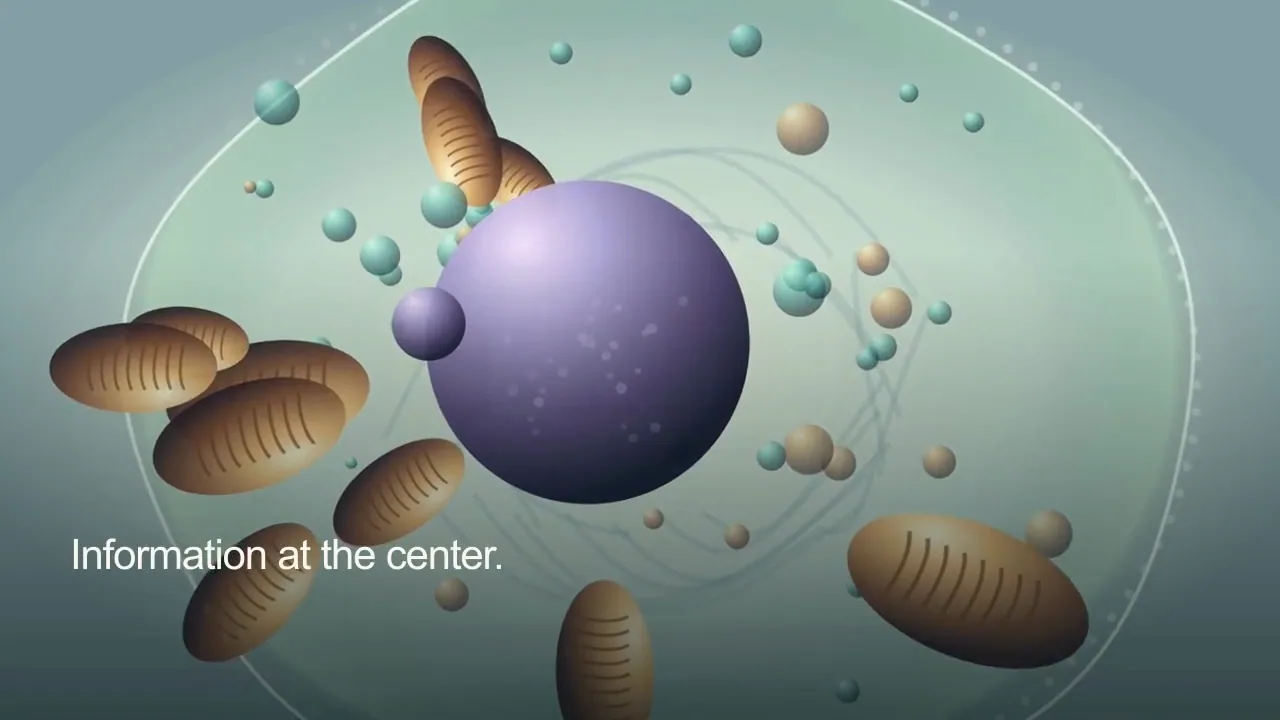
The education and training examples include medical imaging concepts, cellular structures, laboratory observation and equipment context. They are authored visual studies with source notes. They do not provide patient-specific interpretation, clinical advice, a validated device demonstration or a substitute for approved operating instructions.
What to bring to the brief
A defined learning objective and an appropriate subject reviewer
Published primary references for the concept being explained
Authorised laboratory or equipment imagery without private patient data
Approved local procedures or manufacturer documentation for training context
What needs review
Identify schematic imagery and visual analogies
Check wording against the named scientific references
Avoid diagnostic, treatment or device-performance claims unsupported by evidence
Keep workplace orientation separate from clinical competency or operating qualification
These are authored studio examples. Each watch page identifies its production method, sources and illustrative scope; the collection does not claim customer relationships or measured business outcomes.
Questions, answered
A few things to know.
Are the medical imaging films real patient scans?
Consult the individual watch page. Conceptual MRI and ultrasound visuals are labelled illustrative models rather than patient scans or diagnostic reconstructions. Laboratory stock imagery likewise does not identify a real patient case.
Can these videos replace medical-device instructions or laboratory training?
No. A short visual orientation does not replace manufacturer instructions, local SOPs, supervised training or assessment. A real training film needs the approved procedure and a qualified reviewer.
Where are the scientific sources listed?
Each scientific watch page includes the primary references relevant to its concept alongside footage credits and the production sequence. Read the source and scope notes together with the film.
 Videos play silently when visible. Tap the film or press Space while it is focused to pause or resume. Sound starts only when you enable it.